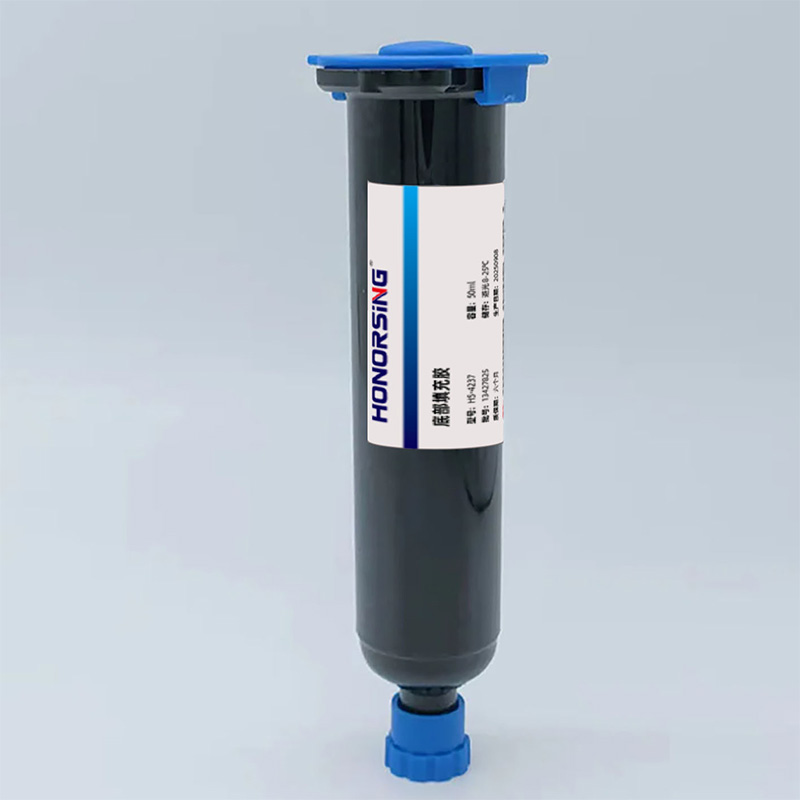
What is bottom filling adhesive:
Classified by chemical category, it belongs to epoxy adhesive
Bottom filling adhesive classification:
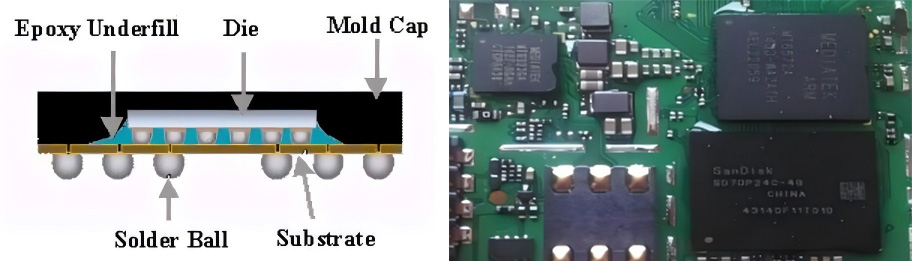
Board level underfill:
Used for protecting BGA and CSP packaging devices in PCBA products.
Flip Chip Underfill:
Used for Flip chip protection in semiconductor device packaging.
NUF (No Flow Underfill):
Used for TCB welding process, welding and adhesive curing are carried out simultaneously.
Advantages of Low Pressure Forming Materials
Fast moldingImprove production efficiency
Why use bottom filling glue
Mechanical stress: Reduce the mechanical stress generated by solder joints during product drop and bending
Thermal stress: reduce the thermal stress caused by CTE mismatch in the product
Reduce the relative deformation between the substrate and the chip in the Z-axis direction when the substrate is impacted, thereby achieving the purpose of protecting solder joints
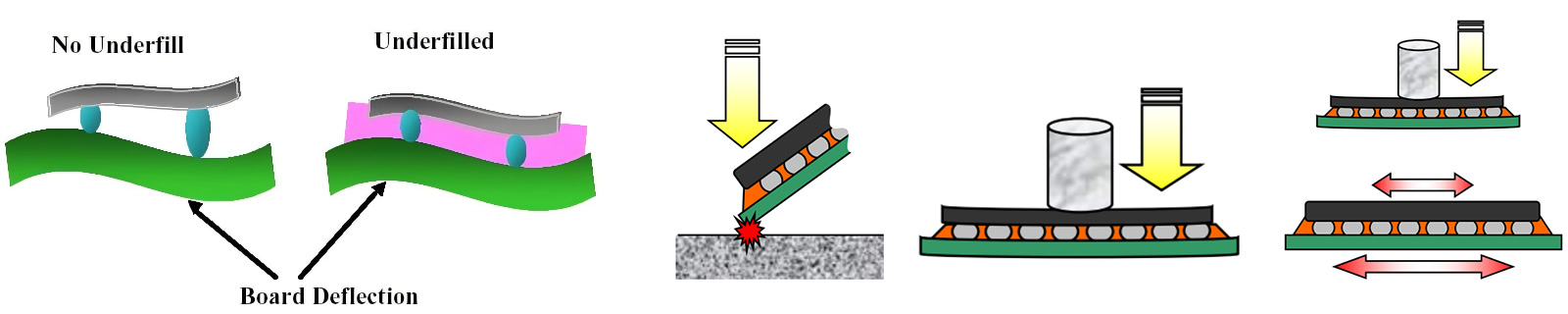
Bottom filling application classification
BGA/CSP: Used for bottom filling of BGA and CSP devices in PCBA to improve the temperature shock and drop resistance of PCBA Require fast flow, repairability, and reliability
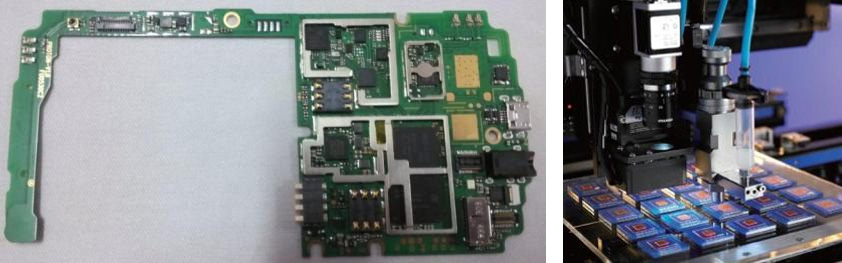
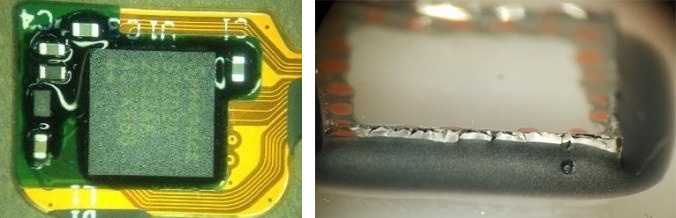
QFN: Used for QFN protection on FPC, suitable for "mouth" type dispensing
BGA Bottom Filling Glue Process

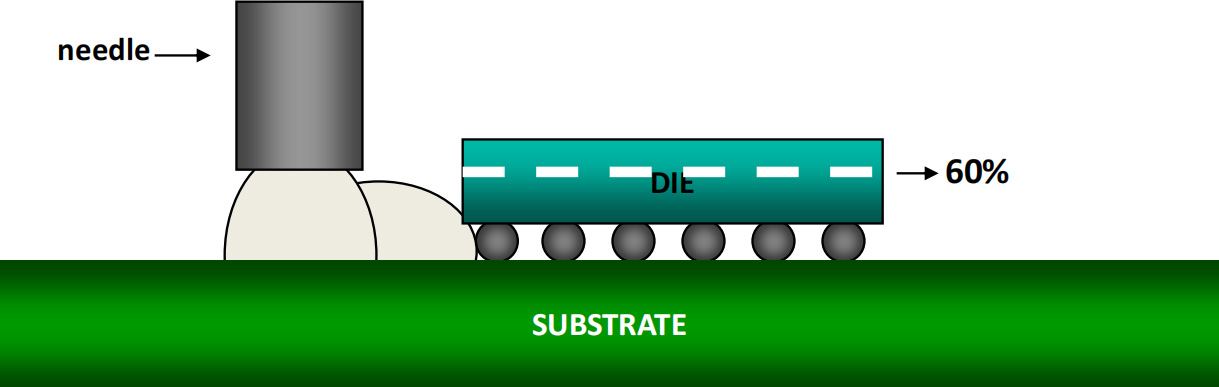
The distance between the dispensing needle and the component
Usually equal to half the outer diameter of the dispensing needle plus 0.2mm
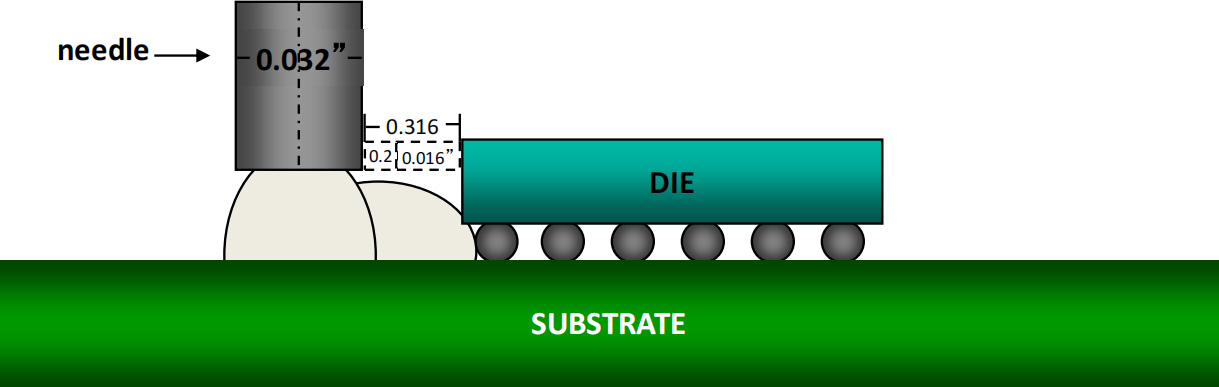
The height of the dispensing needle from the PCBA
Usually 60% to 80% of the component height, or 60% to 80% of the needle inner diameter, should not be less than 50% of the needle inner diameter
Dispensing method
Corner Glue: Apply glue to one corner, and the glue flows to the other side; Usually used for small chips with a size of 6mm * 6mm;
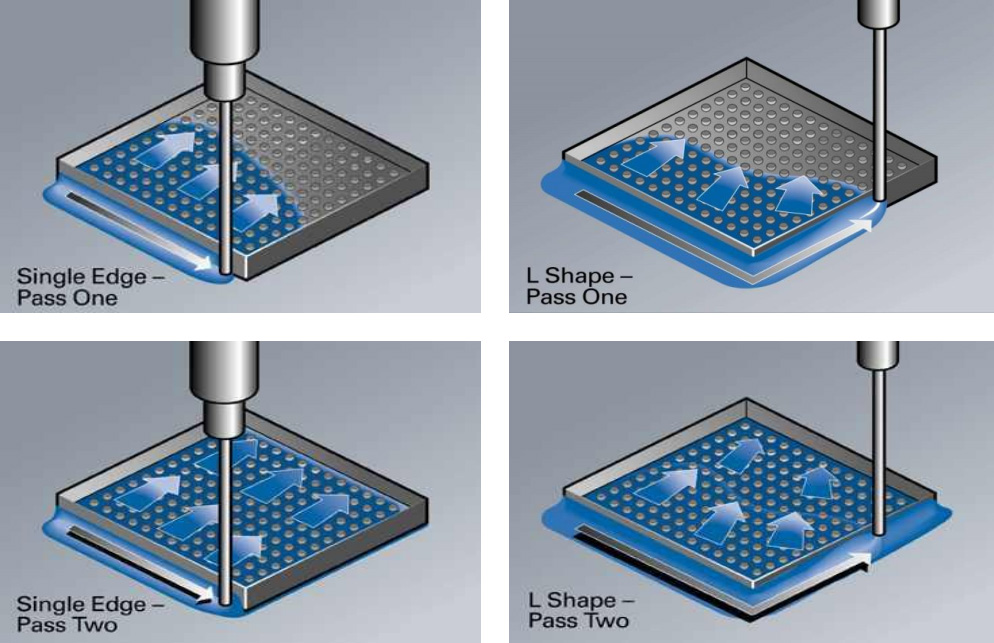
Type I dispensing: dispensing along one side of the chip, suitable for small chips
L-type dispensing: suitable for medium and large-sized chips, and requires fast filling speed and large adhesive volume
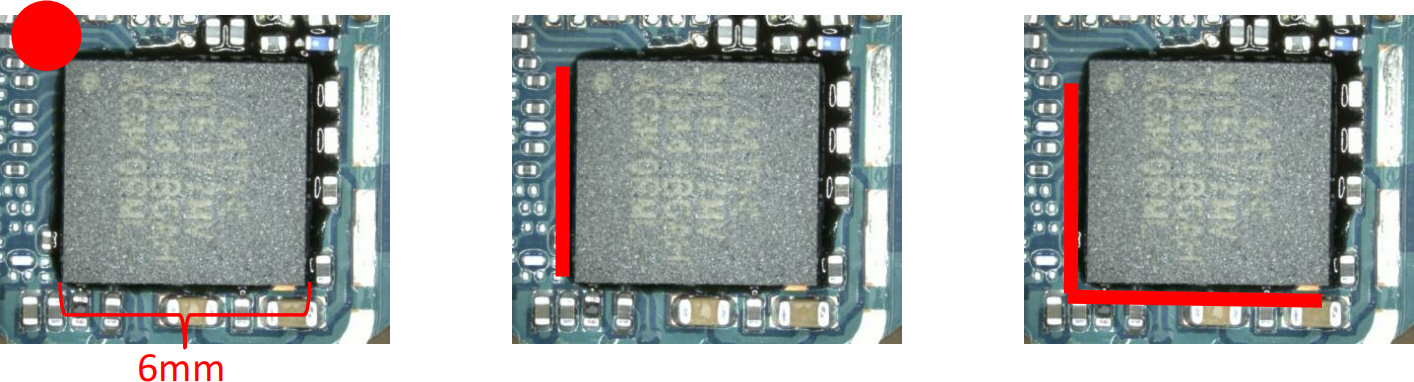
Glue dispensing path and glue flow path
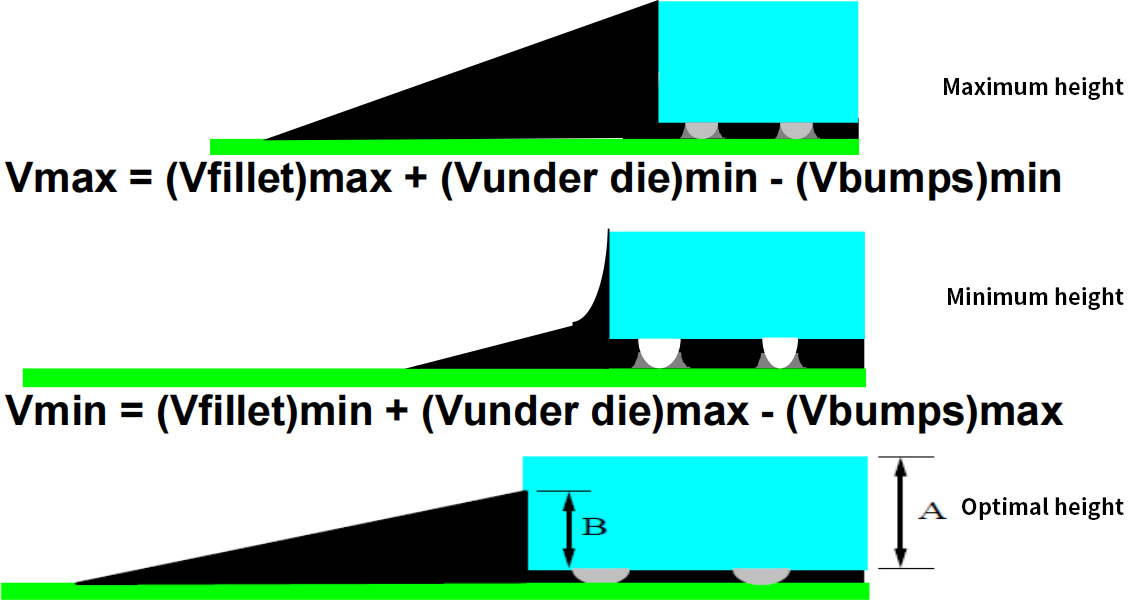
Glue dispensing volume
The optimal height for the overflow adhesive layer is 2/3 of the chip thickness (B=2/3A)
PCBA preheating
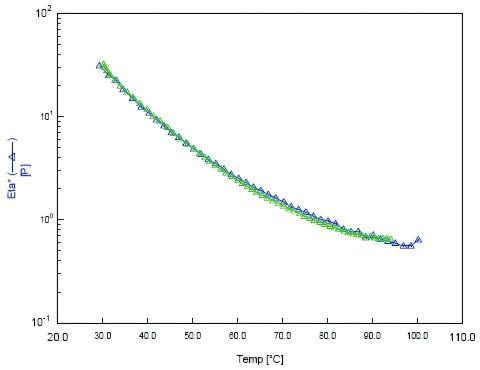
Heating significantly reduces the viscosity of the adhesive, thereby improving its flowability at the bottom of the component and increasing dispensing speed and efficiency
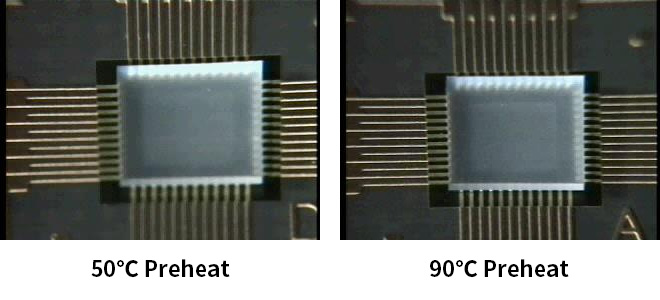
The relationship between viscosity and preheating temperature
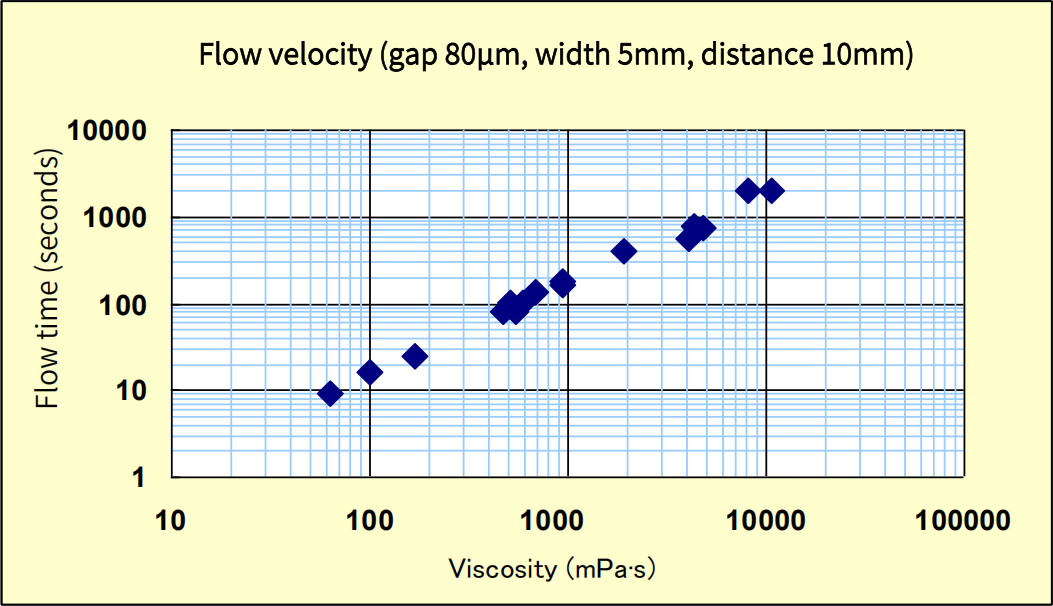
The relationship between flow velocity and viscosity
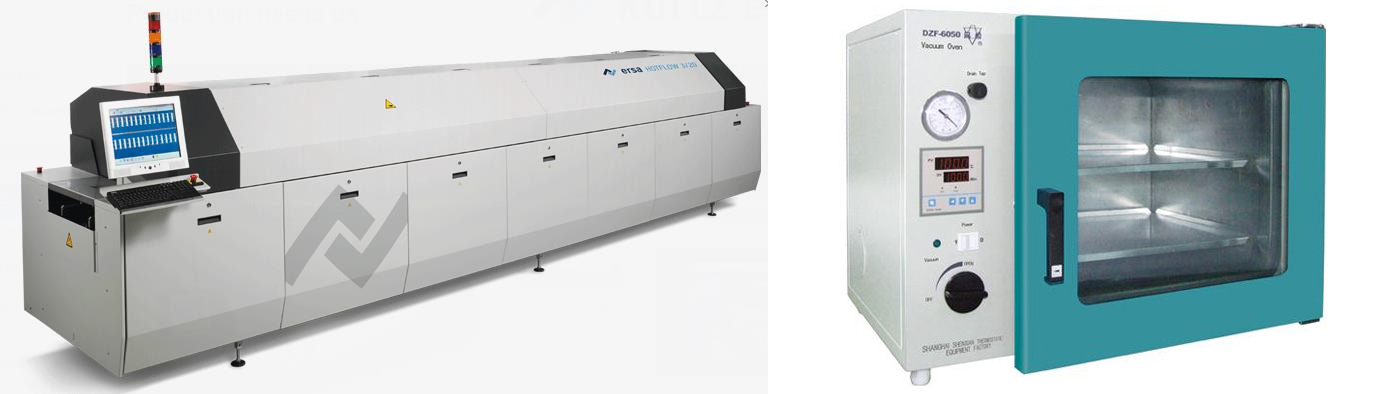
Curing method
Oven: Batch curing, commonly used by component manufacturers
Reflow soldering: an assembly line operation, commonly used for terminal machines
Heating table, vertical furnace: generally used for maintenance stations
Water curing curve
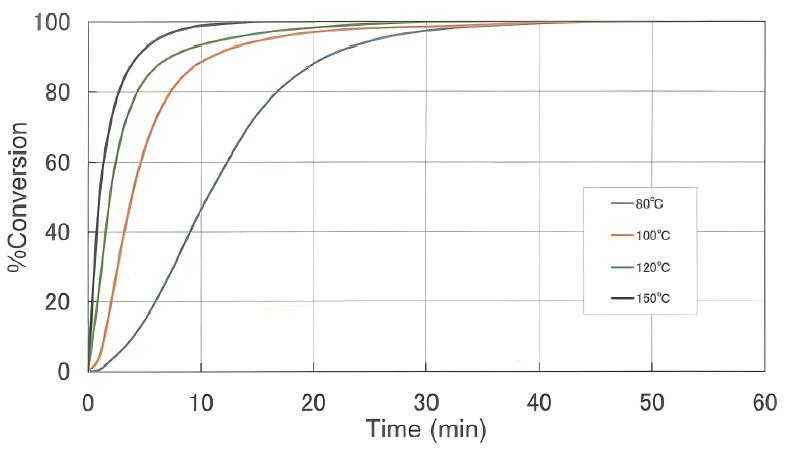
Water curing curve
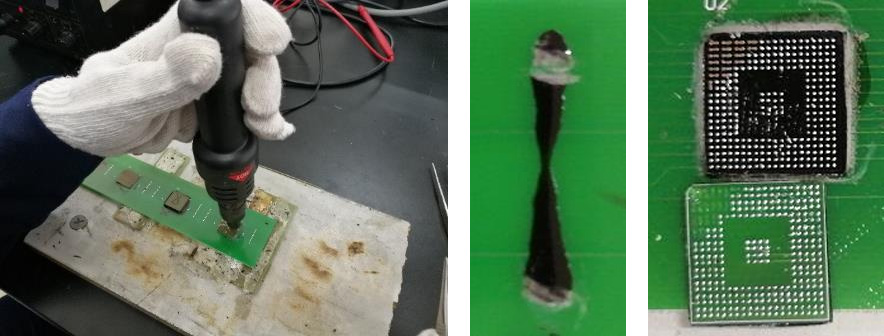
Repair:
heat gun
Bamboo sticks/tweezers
Test method:
1. Temperature: Shovel glue at 150 ℃, take parts at 350 ℃
2. Requirement: The distance between the gun and the board is 3-5mm